Tirzepatide vs. Semaglutide: Which Weight Loss Medication Works Better?
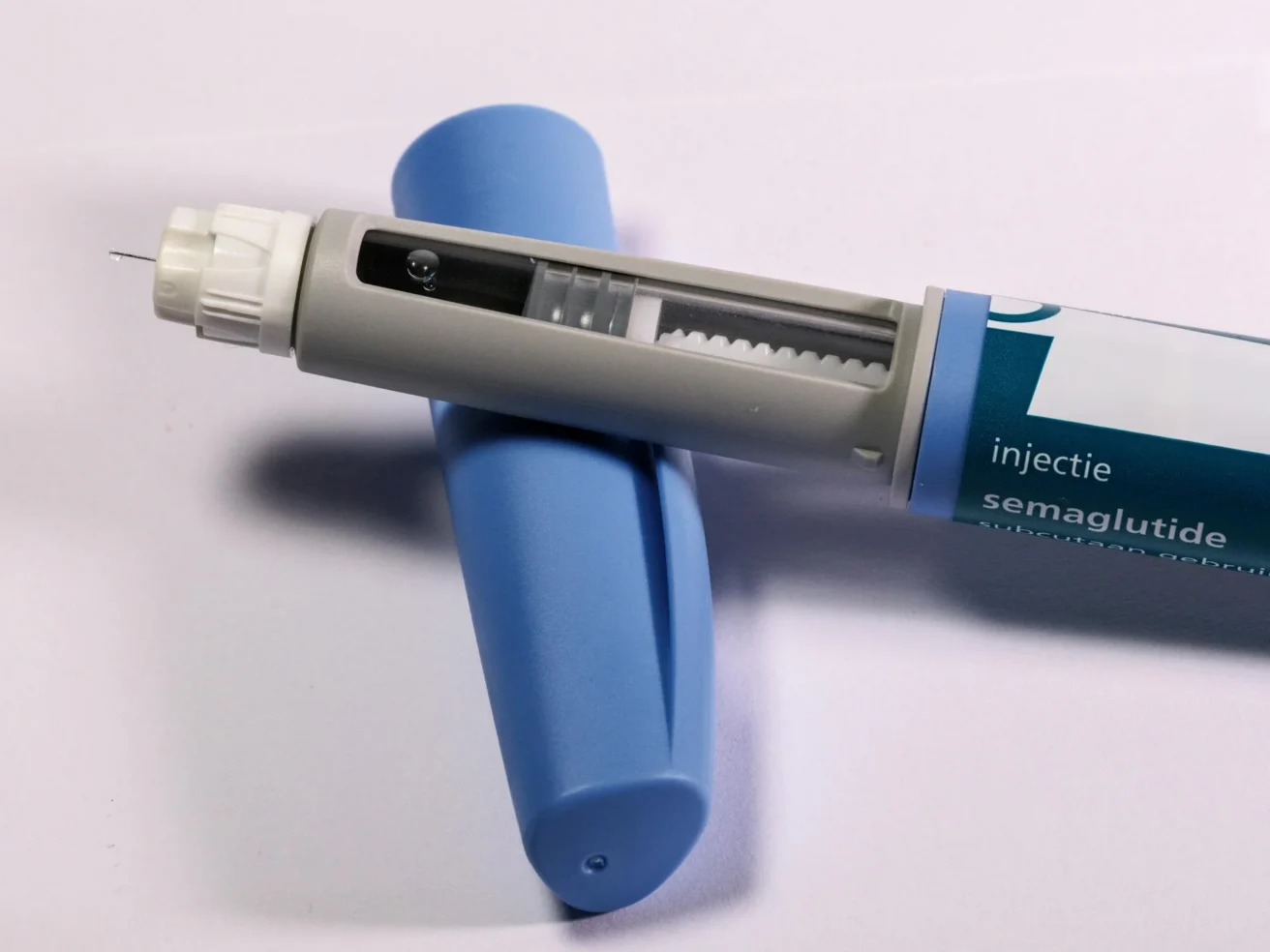
If you’ve been researching weight loss medications, you’ve likely seen comparisons between Tirzepatide and Semaglutide and may be wondering which one “works better.” The answer isn’t always simple. Both medications are effective, both are supported by strong clinical evidence, and both can play an important role in a physician-guided weight loss plan.
This guide breaks down how Tirzepatide and Semaglutide work, how they differ, what the research shows about results, and how to think about which option may be the best fit for your health profile and goals.
Understanding the basics: What do Tirzepatide and Semaglutide have in common?
Both Tirzepatide and Semaglutide are injectable medications used under medical supervision to support chronic weight management. They work by influencing hormones involved in appetite regulation, satiety, and blood sugar control.
Some shared characteristics include:
- Reduced appetite and earlier feelings of fullness
- Slower stomach emptying (especially early on) and appetite signaling changes can help people feel full sooner.
- Can improve blood sugar regulation, particularly in people with insulin resistance or diabetes.
- Clinically meaningful weight loss when combined with diet and lifestyle changes
Importantly, neither medication is a shortcut or a standalone solution. The best outcomes occur when these therapies are paired with structured nutrition guidance, behavioral support, and regular medical monitoring — an approach that defines how we use them at Options Medical Weight Loss.
What is Semaglutide?
Semaglutide is a GLP-1 receptor agonist, meaning it mimics a hormone called glucagon-like peptide-1. GLP-1 plays a key role in regulating hunger, satiety, and insulin secretion.
Semaglutide has been extensively studied for both diabetes management and weight loss. In clinical trials focused on obesity, many patients achieved significant reductions in body weight when semaglutide was used alongside dietary and lifestyle interventions.
Key characteristics of semaglutide:
- Targets one hormone pathway (GLP-1)
- Typically administered as a once-weekly injection
- Well-studied with a long track record in clinical use
- Often associated with steady, gradual weight loss
For many patients, Semaglutide provides reliable appetite control and sustainable results when used as part of a comprehensive program.
What is Tirzepatide?
Tirzepatide is sometimes described as a next-generation medication because it targets two hormone pathways instead of one. It acts on both GLP-1 and GIP (glucose-dependent insulinotropic polypeptide) receptors.
By engaging both pathways, Tirzepatide can influence appetite, satiety, and metabolic processes in a slightly different—and for some patients, more pronounced—way.
Key characteristics of Tirzepatide:
- Dual-action medication (GLP-1 + GIP)
- Administered as a once-weekly injection
- In clinical studies, tirzepatide has produced greater average weight loss than semaglutide in some comparisons, though results depend on dose and patient population.
- Some patients report stronger appetite suppression
Because of its dual mechanism, Tirzepatide has become a popular option for patients who need more robust appetite control or who haven’t responded as well to other medications.
Which medication leads to more weight loss?
This is the question most people ask, and it’s where context matters.
In large clinical trials, Tirzepatide has demonstrated higher average weight loss percentages compared to Semaglutide. That said, averages don’t tell the whole story. Individual response varies widely based on factors such as:
- Starting weight and body composition
- Metabolic health and insulin resistance
- Dose progression and adherence
- Side effect tolerance
- Lifestyle habits and nutrition consistency
Some patients do extremely well on Semaglutide and achieve their goals without needing a stronger medication. Others may benefit more from Tirzepatide’s dual-hormone action. At Options, medication selection is always individualized rather than based on headline numbers alone.
Appetite control and “food noise”
One of the most noticeable differences patients report between these medications relates to appetite control.
Semaglutide is highly effective at reducing hunger and helping patients feel satisfied with smaller portions. Many patients describe a quieter relationship with food and fewer cravings.
Tirzepatide, for some individuals, provides even stronger appetite suppression, which can be helpful for those who struggle with persistent hunger or difficulty controlling intake despite lifestyle changes.
However, stronger appetite suppression isn’t always better. The right balance is one that supports weight loss while still allowing patients to eat adequately, maintain muscle mass, and feel well overall.
Side effects and tolerability
Both medications share similar side effect profiles, most commonly involving the digestive system. These may include nausea, vomiting, diarrhea, constipation, or abdominal discomfort.
In clinical practice:
- Side effects are often temporary
- Gradual dose escalation helps improve tolerability
- Medical supervision is key to managing symptoms
Some patients tolerate Semaglutide more easily, while others do well on Tirzepatide. There’s no universal “easier” option, which is why careful monitoring and adjustment matter.
At Options Medical Weight Loss, side effect management is built into every treatment plan so patients aren’t left guessing or pushing through unnecessary discomfort.
Long-term use and sustainability
Obesity is now widely recognized as a chronic condition, not a short-term problem. Both Semaglutide and Tirzepatide can be used long-term when medically appropriate, with individualized reassessment.
Sustainable success depends on:
- Ongoing medical oversight
- Nutrition strategies that preserve muscle mass
- Behavioral support to maintain results
- A plan for long-term maintenance
Medication alone doesn’t determine success. The structure around it does.
Is one medication safer than the other?
Both medications have been studied extensively and are considered safe when prescribed appropriately and monitored by licensed medical providers. Each carries important warnings and contraindications, which is why a thorough medical evaluation is essential before starting treatment.
Neither medication is “risk-free,” and neither is appropriate for everyone. Choosing the right option means weighing potential benefits against risks based on an individual’s health history, not making assumptions based on trends or online comparisons.
How Options Medical Weight Loss approaches medication selection
At Options, we don’t believe in one-size-fits-all weight loss care. Our medical team evaluates each patient individually, considering:
- Health history and lab markers
- Weight loss goals and timeline
- Prior response to medications
- Lifestyle factors and preferences
- Long-term sustainability
Sometimes Semaglutide is the best starting point. In other cases, Tirzepatide may be more appropriate. And for some patients, the plan may evolve over time.
The medication is just one tool. The program around it is what drives results.
Tirzepatide vs. semaglutide: which one is better for you?
If you’re deciding between Tirzepatide and Semaglutide, the most important takeaway is this: the “better” medication depends on the individual.
Tirzepatide may offer greater average weight loss for some patients, while Semaglutide remains an excellent, well-established option for others. Effectiveness isn’t just about numbers, it’s about safety, tolerability, and long-term success.
Working with an experienced medical team ensures that your treatment plan is built around your needs, not generic comparisons.
Final thoughts
Both Tirzepatide and Semaglutide represent major advances in medical weight loss. When used appropriately and supported by structured care, they can help patients achieve meaningful, sustainable results.
If you’re exploring medical weight loss and want to learn more about how it’s used within a physician-guided program, you can read more about our Tirzepatide Plans and how Options Medical Weight Loss integrates medication, nutrition, and ongoing support into one cohesive approach.Schedule a free consultation to discuss your weight loss options with our team.