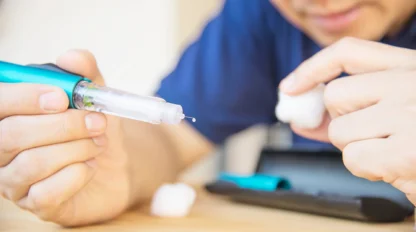
How to Manage Nausea and Side Effects on GLP-1 Medications

Nausea is the most commonly reported side effect of GLP-1 weight loss medications like semaglutide and tirzepatide. If you’re currently dealing with it, or you’re about to start a GLP-1 program and want to know what to expect, this guide is worth reading carefully.
The good news is that GLP-1-related nausea is manageable. For most patients, it’s temporary, improves with time, and can be reduced significantly with the right strategies. Understanding why it happens and how to respond to it makes a real difference in how comfortable your early weeks on the medication feel.
Why GLP-1 Medications Cause Nausea
GLP-1 receptor agonists work partly by slowing gastric emptying (the rate at which food moves from your stomach into the small intestine). This is intentional. Slower emptying helps you feel full longer, which reduces appetite and supports calorie control.
The downside is that your digestive system needs time to adapt to this change. When food sits in the stomach longer than usual, nausea can follow. This effect is most pronounced in the first few weeks of treatment and after each dose increase, which is why most GLP-1 weight loss programs are designed with a gradual dose escalation schedule rather than starting at full dose immediately.
The nausea is a side effect of the mechanism, not a sign that something has gone wrong.
How Common Is Nausea on a GLP-1 Weight Loss Program?
Nausea is the most frequently reported side effect across semaglutide and tirzepatide clinical trials, affecting a meaningful portion of patients, particularly during the early weeks of treatment. Other common GLP-1 side effects involving the digestive system include:
- Vomiting
- Diarrhea
- Constipation
- Bloating or abdominal discomfort
- Acid reflux or heartburn
The frequency and severity vary between individuals. Some patients experience very mild, short-lived nausea. Others find it more significant during dose-increase periods. A small percentage of patients experience persistent nausea that requires a plan adjustment.
What’s important to know is that these side effects are well-understood, expected in early treatment, and they’re manageable with the strategies below.
Practical Strategies to Reduce Nausea on GLP-1 Medications
Eat Smaller, Slower Meals
Because your stomach is emptying more slowly, large meals are harder to tolerate. The most effective dietary shift is moving toward smaller portions, eaten slowly. This isn’t just about comfort, it’s about giving your digestive system what it can actually handle at this stage.
Aim for three to five small meals throughout the day rather than two larger ones. Stop eating well before you feel full. On GLP-1 medications, the fullness signal comes faster and stronger than it used to, eating past it is one of the most reliable ways to trigger nausea or discomfort.
Avoid Foods That Trigger Nausea
Certain foods consistently worsen GLP-1-related nausea. In the early weeks of treatment, it’s worth reducing or temporarily avoiding:
- High-fat foods (fried foods, fast food, heavy sauces, fatty meats)
- Spicy or heavily seasoned dishes
- Very sweet or sugary foods
- Large amounts of raw vegetables, which can be harder to digest
- Alcohol, which irritates the stomach lining and compounds nausea
- Carbonated drinks, which increase bloating and pressure in the stomach
Bland, easy-to-digest foods tend to be better tolerated. Think: plain proteins like chicken or eggs, cooked vegetables, rice or oats, broth, and dry crackers. These aren’t exciting choices, but they give your body something it can process comfortably while it adjusts to the medication.
Eat Before You Feel Hungry — Not After
On GLP-1 medications, appetite can disappear almost completely. Many patients skip meals because they simply don’t feel hungry, then experience a wave of nausea when their blood sugar dips and their empty stomach starts to protest.
Eating on a schedule, even when you don’t feel hungry, helps prevent this. A small, nutritious meal every four to five hours gives your digestive system consistent input without overwhelming it. Think of it as fueling intentionally rather than waiting for hunger to show up.
Stay Hydrated
Dehydration makes nausea worse. GLP-1 medications can reduce thirst signals along with appetite, so patients often drink less than they realize. Aim for 64 to 80 ounces of water daily, sipped steadily throughout the day rather than gulped in large amounts.
Cold or room-temperature water is usually better tolerated than hot drinks when nausea is present. If plain water feels unappealing, unsalted broth, diluted electrolyte drinks, or water with a small amount of lemon can help you stay on track.
Time Your Injection Strategically
Some patients find that nausea following their weekly injection is most pronounced in the 24 to 48 hours after the shot. Experimenting with injection timing can help minimize disruption to daily life.
For example, if you inject on Friday evening, you may find that the worst of any nausea passes over the weekend when you have more flexibility. Some patients prefer midweek injections if their schedules work differently. There is no universally correct time, the right answer is whatever fits your routine and minimizes impact on your week.
Discuss timing with your medical provider if you’re finding post-injection symptoms consistently difficult to manage.
Eat Upright and Stay Upright After Meals
Lying down after eating slows digestion and increases the likelihood of acid reflux and nausea. Try to stay upright for at least 30 to 60 minutes after meals. Light activity can support digestion and reduce post-meal discomfort.
Eating in a rushed or stressed state also tends to worsen GLP-1-related digestive symptoms. A calm, unhurried meal is genuinely easier on the stomach.
Go Easy on Ginger — and Know Its Limits
Ginger has a legitimate evidence base for reducing mild nausea and is worth trying if your symptoms are mild. Ginger tea, ginger chews, or ginger capsules can take the edge off for some patients. It won’t eliminate nausea caused by a full stomach or a high-fat meal, but as a general digestive aid it’s a reasonable addition.
Peppermint tea is another option some patients find soothing for abdominal discomfort, though it can worsen acid reflux in some people.
Managing Other Common GLP-1 Side Effects
Constipation
Slower gastric motility means the entire digestive system slows down, not just the stomach. Constipation is reported by a significant portion of GLP-1 patients and tends to be more persistent than nausea.
Effective approaches include:
- Increasing daily fiber intake gradually (aim for 25 to 35 grams per day from whole food sources)
- Drinking enough water — fiber absorbs liquid and needs hydration to work properly
- Light daily movement, which supports bowel motility
- A gentle fiber supplement like psyllium husk if dietary intake isn’t sufficient
Discuss with your medical provider before using laxatives, as some can be too aggressive when used regularly.
Diarrhea
Loose stools and diarrhea are more common early in treatment and after dose increases. This typically improves as your body adjusts. During acute episodes:
- Stay well hydrated and replace electrolytes
- Choose bland, binding foods: bananas, plain rice, cooked carrots, toast
- Avoid high-fat foods, which speed up intestinal transit
- Avoid caffeine and alcohol, which have a similar effect
If diarrhea is severe, persistent, or accompanied by other symptoms, contact your medical provider.
Fatigue
Some patients feel more tired than usual, particularly in the first few weeks of treatment. This can be related to reduced calorie intake, changes in blood sugar regulation, or simply the body adapting to a significant hormonal shift in appetite signaling.
The most common culprit, when fatigue persists, is under-eating. When appetite suppression is strong, it’s easy to consume far less than your body needs — not just in calories, but in protein, vitamins, and minerals. Structured nutrition guidance from your medical team helps ensure that calorie reduction happens in a way that doesn’t deplete your energy or compromise muscle mass.
Heartburn or Acid Reflux
Slower gastric emptying and changes in gastric acid regulation can make acid reflux more likely on GLP-1 medications. Practical management includes:
- Eating smaller meals and avoiding eating close to bedtime
- Elevating the head of your bed slightly
- Avoiding known reflux triggers: coffee, alcohol, spicy food, citrus
- Discussing over-the-counter antacids or prescription options with your provider if symptoms are persistent
When to Contact Your Medical Provider
Most GLP-1 side effects are mild and manageable. But some symptoms warrant prompt medical attention. Contact your provider if you experience:
- Severe abdominal pain, particularly if it radiates to the back — this can be a sign of pancreatitis
- Persistent vomiting that prevents you from keeping food or fluids down
- Signs of dehydration: extreme thirst, dark urine, dizziness, or rapid heart rate
- Significant worsening of reflux or new difficulty swallowing
- Any symptoms that concern you or feel different from typical digestive discomfort
At Options Medical Weight Loss, patients have direct access to their care team throughout their program. Side effects are something we actively monitor and address — you shouldn’t be navigating them alone.
The Role of Dose Escalation in Managing Side Effects
One of the most important factors in GLP-1 tolerability is how quickly the dose increases. Jumping to a higher dose before the body has had time to adjust is one of the most consistent predictors of difficult side effects.
A well-designed GLP-1 program moves doses up gradually, spending several weeks at each stage before advancing. This isn’t a slower path to results, it’s a smarter one. Patients who tolerate the medication well are more likely to stay on it, stay adherent to their nutrition plan, and achieve the outcomes the medication is capable of producing.
If you’re experiencing significant side effects, it may also be appropriate to stay at a lower dose for longer before advancing. This is a clinical decision worth having with your provider — not something to push through on your own.
Frequently Asked Questions
How long does nausea last on GLP-1 medications?
For most patients, nausea is most intense during the first two to four weeks of treatment and after each dose increase. It typically improves as the body adapts. Patients who follow dietary guidance and progress doses gradually tend to have a shorter, milder nausea period.
What foods should I avoid when feeling nauseous on semaglutide or tirzepatide?
Avoid high-fat, fried, spicy, and very sweet foods as they are the most common triggers for GLP-1-related nausea. Alcohol and carbonated drinks also tend to worsen symptoms. Bland, easily digestible foods like plain proteins, cooked vegetables, dry crackers, and broth are usually much better tolerated.
Can I take anti-nausea medication while on a GLP-1 program?
Some patients find over-the-counter options like vitamin B6 or antihistamines helpful for mild nausea. Prescription anti-nausea medications are available in more severe cases. Always check with your medical provider before adding any medication, as interactions and individual factors matter.
Is nausea a sign that the GLP-1 medication is working?
Not exactly. Nausea is a side effect of the mechanism, specifically the slowing of gastric emptying. It is not a direct indicator of weight loss effectiveness. Patients who experience little or no nausea are not necessarily getting less benefit from the medication.
Will the nausea go away if I stay on the medication?
For the majority of patients, yes. Side effects are typically most significant during the early weeks and after dose increases. Most patients find that nausea decreases substantially once a stable dose is reached and the digestive system has fully adjusted.
What should I eat on days when GLP-1 nausea is bad?
On high-nausea days, stick to small amounts of the blandest foods you can tolerate — plain crackers, broth, a small amount of plain protein, or a protein-based smoothie if solid food feels difficult. Prioritize staying hydrated. Do not skip eating entirely, as an empty stomach can worsen nausea.
Does constipation from GLP-1 medications go away on its own?
Constipation can persist throughout treatment, as slower gastric motility is an ongoing effect of GLP-1 medications. Proactive management with consistent hydration, fiber intake, and movement tends to work better than waiting it out. Discuss with your provider if constipation is severe or significantly affecting quality of life.
Can I reduce my dose if the side effects are too much?
Yes, in many cases that is the best approach. Staying at a lower dose for longer is a legitimate medical strategy that can improve tolerability and may still allow effective treatment. This decision should be made in consultation with your prescribing provider.
Do GLP-1 side effects get worse with higher doses?
Side effects are most likely to flare with each dose increase. This is expected and temporary for most patients. Following the prescribed escalation schedule, rather than increasing doses faster, is one of the most effective ways to manage this.
When should I be concerned about GLP-1 side effects?
Seek medical attention if you experience severe abdominal pain that radiates to the back (a potential sign of pancreatitis), persistent vomiting that prevents adequate hydration, or any symptoms that feel severe, unusual, or outside the typical digestive discomfort pattern. Your medical team should always be your first point of contact when something doesn’t feel right.
Final Thoughts
Nausea and digestive side effects are real, common, and temporary for most patients. The strategies in this guide make a meaningful difference, but the most important factor is having a medical team that monitors your response, adjusts your plan when needed, and doesn’t leave you guessing.At Options Medical Weight Loss, managing side effects is a standard part of every GLP-1 weight loss program. If you’re struggling or want to start your program with the right support in place, schedule a free consultation with our team.