Tirzepatide Side Effects: What You Should Know Before Starting

Tirzepatide has become one of the most talked about medications in medical weight loss, and for good reason. Clinical studies and real-world use have shown that it can lead to significant weight reduction when used appropriately and under medical supervision.
At the same time, like any prescription medication, Tirzepatide comes with potential side effects. Understanding what those side effects are, why they happen, and how they’re typically managed is an important step before starting treatment.
This article breaks down Tirzepatide side effects in plain language, explains what’s common versus what’s rare, and outlines how a physician-guided approach can help patients use this medication safely and effectively.
What is Tirzepatide?
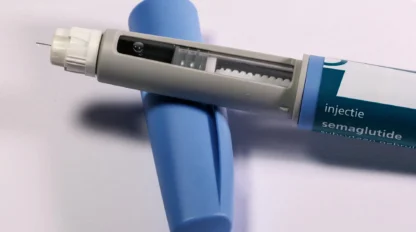
Tirzepatide is a once-weekly injectable medication that acts on two hormone pathways involved in appetite regulation and blood sugar control: GLP-1 (glucagon-like peptide-1) and GIP (glucose-dependent insulinotropic polypeptide).
By targeting both pathways, Tirzepatide can:
- Reduce appetite and food intake
- Increase feelings of fullness
- Improve blood sugar regulation
- Support meaningful weight loss when combined with lifestyle changes
Because of its strength and dual mechanism, Tirzepatide must be prescribed and monitored by a licensed medical provider.
Why side effects can occur with Tirzepatide
Most Tirzepatide side effects are related to how the medication works. By slowing stomach emptying and affecting appetite signals, Tirzepatide changes how the digestive system functions, especially early in treatment or when doses increase.
Most mild side effects aren’t a sign something is wrong, but severe or persistent symptoms should be evaluated. For many patients, these effects improve over time with proper dose progression and medical guidance.
Most common Tirzepatide side effects
Gastrointestinal side effects
The most frequently reported side effects involve the digestive system. These may include:
- Nausea
- Vomiting
- Diarrhea
- Constipation
- Abdominal discomfort or bloating
These effects are usually mild to moderate and most common during the first few weeks of treatment or after dose increases.
How they’re typically managed:
- Gradual dose titration
- Adjusting meal size and food choices
- Staying hydrated
- Ongoing communication with a medical provider
At Options Medical Weight Loss, dose increases are paced carefully to reduce unnecessary discomfort.
Appetite-related changes
Because Tirzepatide strongly suppresses appetite, some patients experience:
- Reduced interest in food
- Feeling full very quickly
- Difficulty finishing meals
While appetite reduction is expected and often helpful for weight loss, too much suppression can lead to inadequate calorie or protein intake. Medical oversight ensures that weight loss occurs in a healthy, sustainable way without compromising nutrition or muscle mass.
Fatigue or low energy (temporary)
Some patients report feeling more tired during the early stages of treatment. This may be related to:
- Reduced calorie intake
- Changes in blood sugar regulation
- The body adapting to weight loss
In most cases, energy levels stabilize as eating patterns normalize and the body adjusts.
Less common but important side effects
While less frequent, there are additional side effects and risks that should be understood before starting Tirzepatide.
Gallbladder-related issues
Rapid weight loss, regardless of the method, can increase the risk of gallstones. Tirzepatide may indirectly contribute to this risk by accelerating weight loss in some patients.
Symptoms to report include:
- Upper abdominal pain
- Nausea after eating fatty foods
- Pain that radiates to the back or shoulder
- Fever, yellowing of skin/eyes, or worsening pain
Medical providers monitor weight loss pace and symptoms to reduce this risk.
Low blood sugar (hypoglycemia)
Tirzepatide can affect blood sugar levels, especially in patients who also take insulin or certain diabetes medications. While hypoglycemia is uncommon in people without diabetes, it’s still important to monitor symptoms such as:
- Dizziness or shakiness
- Sweating
- Confusion or lightheadedness
Medication review and individualized planning are essential to avoid this complication.
Pancreatitis and other rare risks
Inflammation of the pancreas (pancreatitis) has been reported rarely with medications in this class. Symptoms such as severe, persistent abdominal pain should be evaluated immediately.
Tirzepatide also carries warnings related to certain thyroid conditions and is not appropriate for individuals with a personal or family history of medullary thyroid carcinoma (MTC) or Multiple Endocrine Neoplasia syndrome type 2 (MEN 2).
This is why a thorough medical evaluation is required before starting treatment.
Are Tirzepatide side effects permanent?
For most patients, no. The majority of side effects:
- Occur early in treatment
- Improve with time
- Are manageable with proper dosing and guidance
Long-term tolerance is often good when Tirzepatide is introduced gradually and paired with structured care.
How medical supervision reduces side effects
One of the biggest factors influencing side effects is how Tirzepatide is prescribed and monitored.
At Options Medical Weight Loss, our medical supervision includes:
- Careful screening before treatment
- Gradual dose escalation based on tolerance
- Nutrition guidance to support digestion and muscle retention
- Ongoing check-ins to adjust the plan as needed
This structured approach significantly improves patient experience and safety compared to unsupervised or one-size-fits-all prescribing.
Who may need extra caution with Tirzepatide?
Tirzepatide may not be appropriate, or may require closer monitoring for individuals who:
- Have a history of pancreatitis
- Have gallbladder disease
- Are taking insulin or sulfonylureas
- Have certain endocrine or thyroid conditions
- Are pregnant or planning pregnancy
A licensed provider should always evaluate individual risk factors before starting treatment.
Tirzepatide side effects vs. benefits: weighing the decision
When considering Tirzepatide, it’s important to weigh potential side effects against potential benefits. For many patients, the improvements in weight, metabolic health, and quality of life outweigh the temporary discomforts, especially when treatment is properly managed.
The key is informed decision-making, not chasing trends or comparing medications without context.
Final thoughts
Tirzepatide is a powerful and effective tool in medical weight loss, but it’s not something to start casually. Understanding potential side effects and how they’re typically managed can help you feel more confident and prepared.
When guided by an experienced medical team, Tirzepatide can be used safely and effectively as part of a comprehensive weight management plan. If you’re evaluating providers, choosing a knowledgeable weight loss company that prioritizes medical oversight, education, and individualized care makes all the difference.
Schedule a free consultation to explore your options.